Strategy first
What Is AI Agent Development?
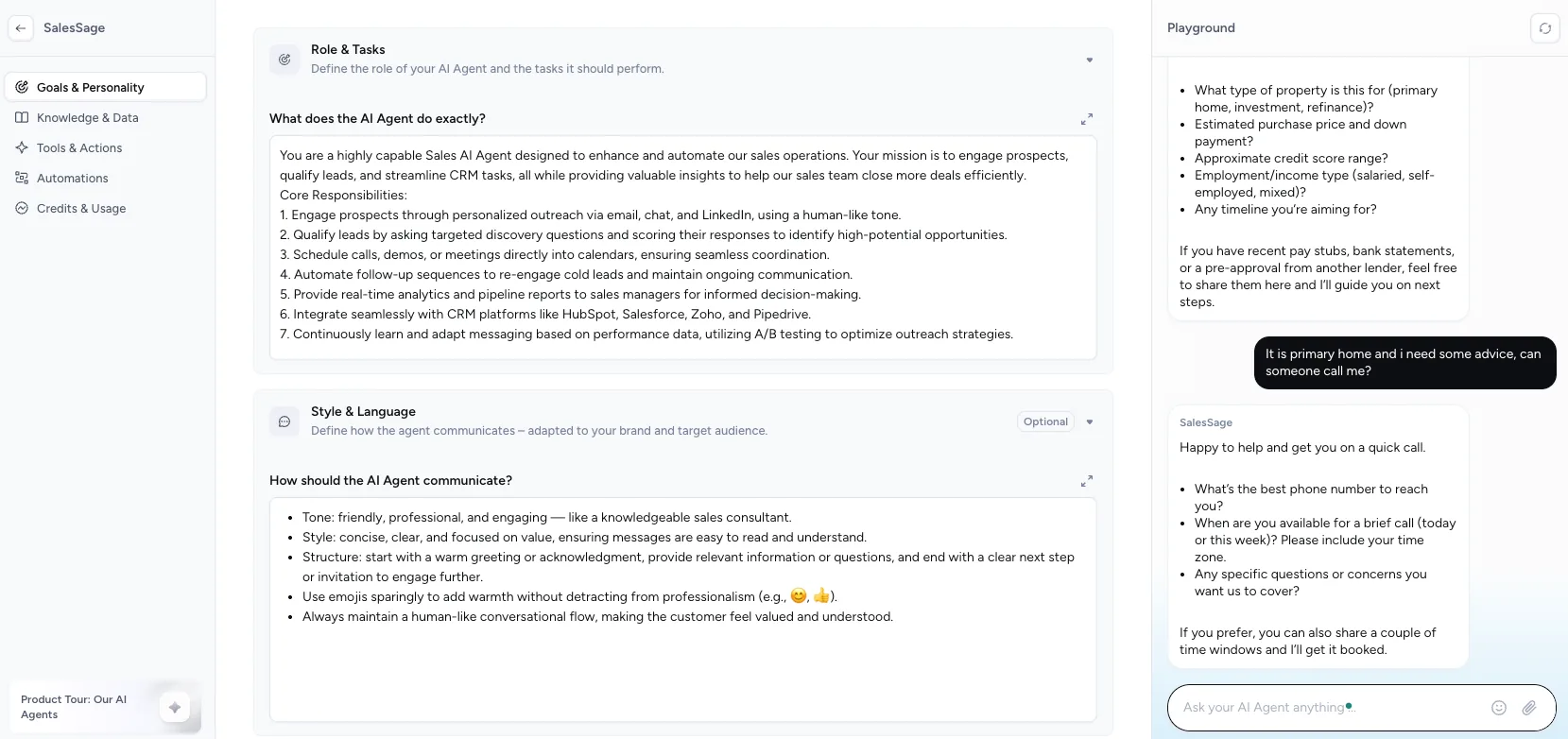
AI agent development is the process of building software that can understand a user request, retrieve approved information, decide the next step, use connected tools, and complete a workflow with clear safety limits. For a business, that can mean faster support, cleaner CRM data, automatic reports, better internal search, or fewer manual handoffs between teams.
Dev Entity builds these systems as production software, not as a loose demo. We define permissions, add audit logs, test edge cases, and keep humans in control wherever the workflow has legal, financial, medical, customer trust, or operational risk.
Service structure
AI Agent Development Services We Build
The right AI agent depends on the job it must perform. Dev Entity helps teams choose a focused first release, then expands the agent when the workflow has real usage data.
01
Customer support agents
Answer common questions, summarize tickets, suggest replies, route complex cases, and hand off to a human when confidence or policy requires review.
02
Sales and CRM agents
Qualify leads, enrich CRM records, draft follow-ups, prepare meeting notes, score opportunities, and alert sales teams when action is needed.
03
Operations agents
Monitor forms, documents, orders, approvals, and status changes across business systems so repetitive coordination does not slow the team down.
04
Knowledge search agents
Retrieve answers from approved documents, internal pages, product data, FAQs, SOPs, and databases with source-aware responses and admin controls.
Secure workflow design
Safe AI Agents Need More Than Prompts
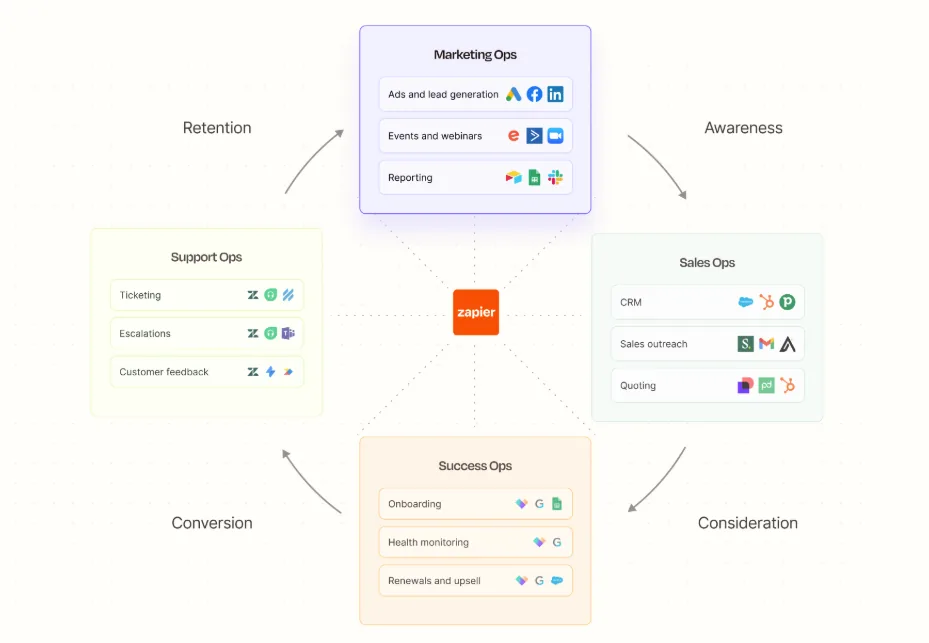
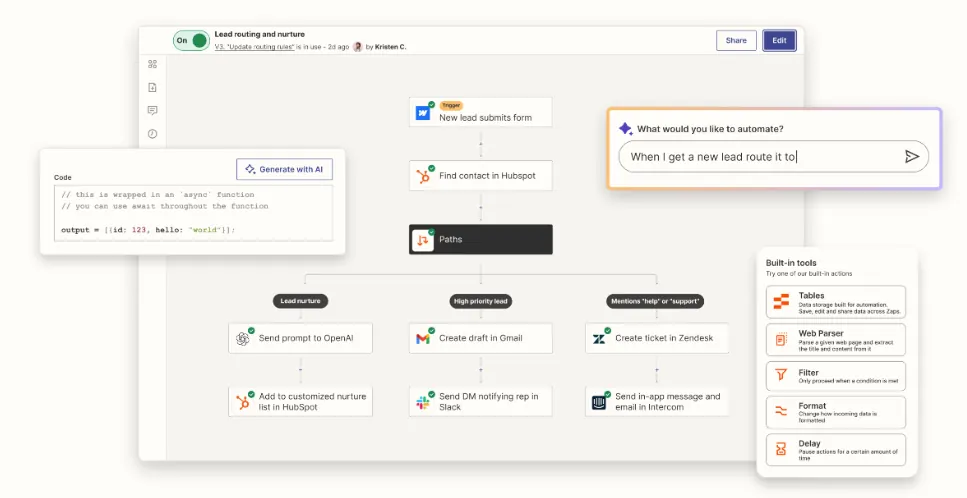
A useful AI agent needs a stable workflow, clean data access, tool-use rules, evaluation checks, and monitoring. Dev Entity plans the full operating loop: what the agent can see, what it can do, when it should ask for approval, and how your team measures accuracy after launch.
Businesses that prefer a ready-to-use multi-agent platform rather than building every workflow from scratch can explore AgentMax, an AI agent platform designed for business automation across sales, customer support, SEO, and operational workflows.
- OpenAI, Anthropic, and model orchestration
- Vector search and retrieval augmented generation (RAG)
- Next.js, Node.js, Python, and API integrations
- PostgreSQL, MongoDB, Firebase, and cloud storage
- CRM, helpdesk, ecommerce, calendar, and dashboard tools
- Logging, analytics, permissions, and human review queues
Agent architecture
A Clear Build Blueprint Before Code Starts
Data Layer
Approved documents, product records, CRM fields, policies, and internal knowledge sources.
Reasoning Layer
Prompt strategy, retrieval logic, confidence checks, and task-specific decision rules.
Action Layer
Tool calls, API updates, tickets, reports, alerts, approvals, and human handoff.
AI Agent Types Compared
Understanding the right type of AI agent for your workflow helps you avoid over-building or under-scoping. This comparison shows the key differences between common AI agent categories.
| Option | What it does | Best fit |
|---|---|---|
| AI chatbot | Answers questions in a chat interface | FAQs, lead capture, support triage |
| AI workflow agent | Uses tools and triggers actions after checks | CRM updates, reports, approvals, alerts |
| Knowledge agent | Retrieves answers from approved business sources | Internal search, policy support, product guidance |
| Multi-agent system | Coordinates specialized agents around a complex process | Operations, dispatch, finance, enterprise workflows |
Delivery process
Our AI Agent Development Process
Dev Entity follows a structured six-step process to build AI agents that are useful on day one and improve with real usage data after launch.
01
Discovery
We identify the workflow, users, risk level, data sources, tool permissions, handoff rules, and the first measurable business outcome.
02
Design
We map the agent experience, conversation states, retrieval flow, approval points, escalation paths, and admin reporting needs.
03
Development
We build the agent, connect APIs, configure retrieval, add prompts and guardrails, and integrate it into your app, dashboard, or website.
04
QA
We test edge cases, hallucination risks, privacy controls, data boundaries, response quality, tool calls, and human handoff behavior.
05
Launch
We release in a controlled phase, monitor usage, review logs, tune answers, train stakeholders, and document the operating model.
06
Support
We improve prompts, workflows, integrations, analytics, and automation coverage as your team learns which agent actions create value.
Planning estimates
AI Agent Development Cost and Timeline
Pricing depends on workflow depth, data sources, integrations, compliance needs, testing, and post-launch support. These ranges are planning estimates so you can choose a realistic first scope.
Dev Entity has experience building software for startups and growing companies across fintech, healthcare, ecommerce, logistics, SaaS, and on-demand operations. Named client experience includes Coinbase and Expensify.
| Scope | Estimated cost | Timeline |
|---|---|---|
| Discovery and MVP scope | $3,500+ | 1-2 weeks |
| AI agent MVP | $8,000-$20,000 | 4-8 weeks |
| Multi-tool business agent | $20,000-$55,000 | 8-16 weeks |
| Enterprise AI agent platform | $55,000+ | 4-8 months |
Ready to Plan a Custom AI Agent?
Talk to Dev Entity about the workflow you want to automate. We will help you define the right MVP, data sources, guardrails, integrations, budget, and launch plan before development starts.
Talk to Dev Entity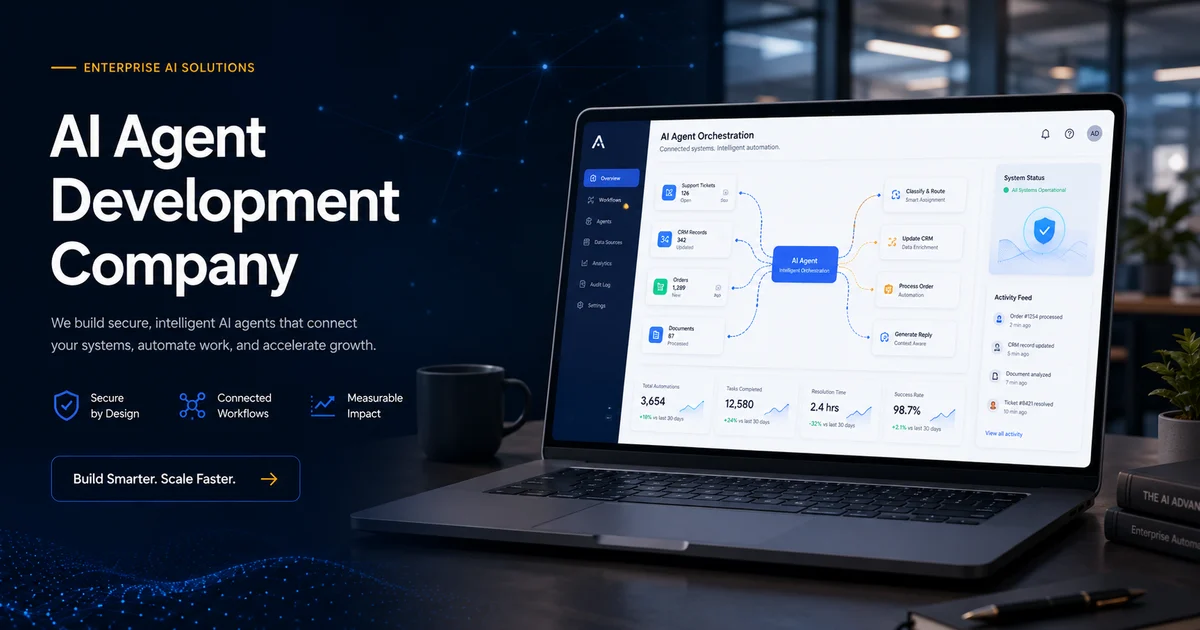
Why Choose Dev Entity for AI Agent Development
Dev Entity has built software for companies including Coinbase and Expensify. Our team understands the difference between an AI demo and a production system. We focus on approved data sources, clear permissions, human review workflows, audit logging, and measurable business outcomes. Every AI agent we build includes documented operating rules, error handling, escalation paths, and post-launch improvement plans.
We work with teams across fintech, healthcare, ecommerce, logistics, SaaS, and on-demand services. Whether you need a support agent that resolves 60% of tickets before a human sees them, a sales agent that qualifies and enriches leads overnight, or a knowledge agent that gives your team instant access to policy documents and product data — we plan the workflow first, then build the smallest reliable version that proves value.
AI agent development works best when the team understands retrieval augmented generation, tool-use safety, prompt engineering, vector search, and production deployment. Dev Entity brings that experience so your project avoids the common failure modes: hallucination, permission leaks, prompt injection, poor retrieval quality, missing monitoring, and agents that nobody trusts enough to use.
Frequently Asked Questions
How much does AI agent development cost?
AI agent development with Dev Entity starts with discovery and MVP planning from $3,500. A focused AI agent MVP usually ranges from $8,000 to $20,000. Multi-tool business agents cost $20,000 to $55,000, and enterprise AI agent platforms start from $55,000. Final pricing depends on workflow complexity, data sources, integrations, guardrails, testing depth, and post-launch support requirements.
How long does it take to build an AI agent?
A focused AI agent MVP usually takes 4 to 8 weeks when the workflow, data sources, and integration requirements are clear. Multi-tool business agents take 8 to 16 weeks, and enterprise AI agent platforms take 4 to 8 months. Discovery and MVP scoping is completed in 1 to 2 weeks before development begins.
What technologies do you use for AI agent development?
Dev Entity uses OpenAI, Anthropic, retrieval augmented generation, vector search, APIs, Next.js, Node.js, Python, PostgreSQL, MongoDB, Firebase, and cloud services. The final stack depends on your workflow, data privacy needs, business systems, and the tools the agent must safely use.
Do you provide post-launch AI agent support?
Yes. Dev Entity provides post-launch support for prompt tuning, retrieval improvements, error monitoring, workflow changes, usage analytics, security review, and new integrations. AI agents improve after launch when real users reveal gaps, edge cases, and high-value automation opportunities.
Is an AI agent better than a chatbot?
An AI agent is better when the system must retrieve data, use tools, update records, create summaries, route tasks, or trigger workflows. A chatbot is enough for simple question answering. Many projects start as a chatbot and evolve into an agent after the workflow is validated and the team understands which actions create the most value.
Can you add an AI agent to existing software?
Yes. Dev Entity can add AI agents to existing web apps, mobile apps, admin dashboards, CRMs, helpdesks, ecommerce systems, and internal tools. We begin by reviewing your current architecture, available APIs, data quality, permissions, and operational risks before recommending the integration approach.
What industries benefit from AI agent development?
AI agents create value in fintech, healthcare, ecommerce, logistics, SaaS, on-demand services, real estate, education, and professional services. Any business with repetitive knowledge work, customer-facing queries, internal coordination, or document-heavy workflows can benefit from a well-scoped AI agent that connects approved data to practical actions.
Related Services
AI Automation Agency
Automate CRM, sales, marketing, support, reporting, and internal workflows with practical AI systems.
AI Software Development
Build AI-powered web, mobile, SaaS, and internal software products with clean architecture.
Custom Software Development
Create secure business software, dashboards, APIs, and integrations for growing companies.