What You Need Before You Build
An Uber-like app is not just a passenger screen and a car icon. You need a launch city, vehicle rules, driver onboarding, pricing logic, support workflows, and a clear definition of the first version.
If your workflow is really built around fleet matching and live trip operations, Ride Sharing App Development is the better planning frame because it covers the matching and dispatch layer first.
Core Features You Should Budget For
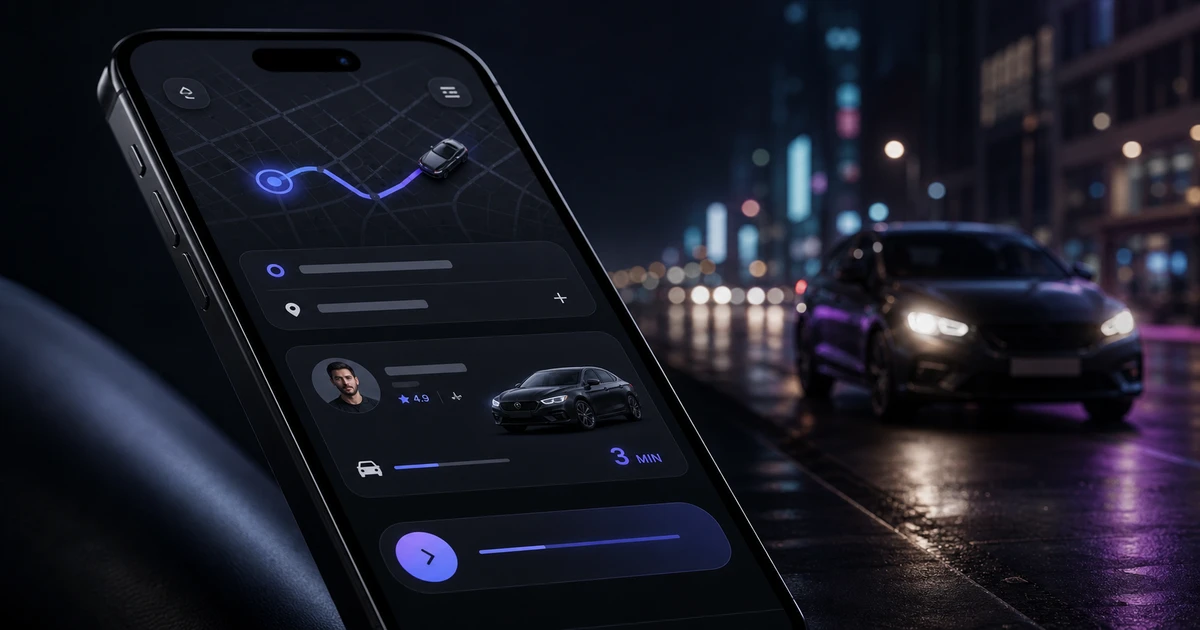
The first release should cover rider onboarding, driver onboarding, trip booking, driver assignment, route updates, fare estimates, payments, receipts, ratings, cancellations, and support.
If the project is closer to a taxi marketplace than a general ride-hailing network, Taxi Booking App Development usually maps more accurately to the launch workflow.
- Define ride types, city launch plan, driver model, pricing, compliance, and support.
- Build passenger app, driver app, dispatch panel, admin dashboard, and backend APIs.
- Add maps, GPS, ETA, route display, fare estimate, payments, and notifications.
- Plan driver onboarding, documents, earnings, payout rules, ratings, and complaints.
- Test cancellations, no-shows, payment failures, poor GPS, refunds, and scheduled rides.
- Launch in one region first and improve operations before expanding.
Tech Stack for an Uber-Like App
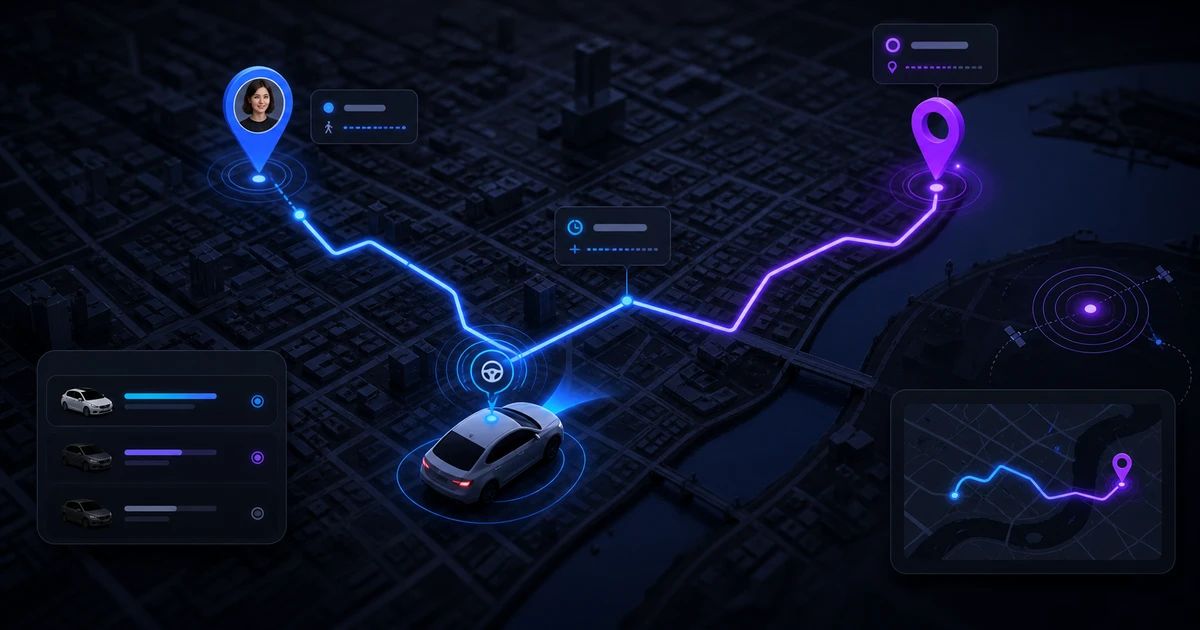
React Native or Flutter can cover rider and driver apps from one codebase, while Node.js, PostgreSQL, Google Maps, Stripe, Firebase, and AWS cover backend services, routing, notifications, payments, and scaling.
For the product and release process itself, Dev Entity can help you keep the architecture tight and avoid overbuilding the first version.

How Much It Costs and How Long It Takes
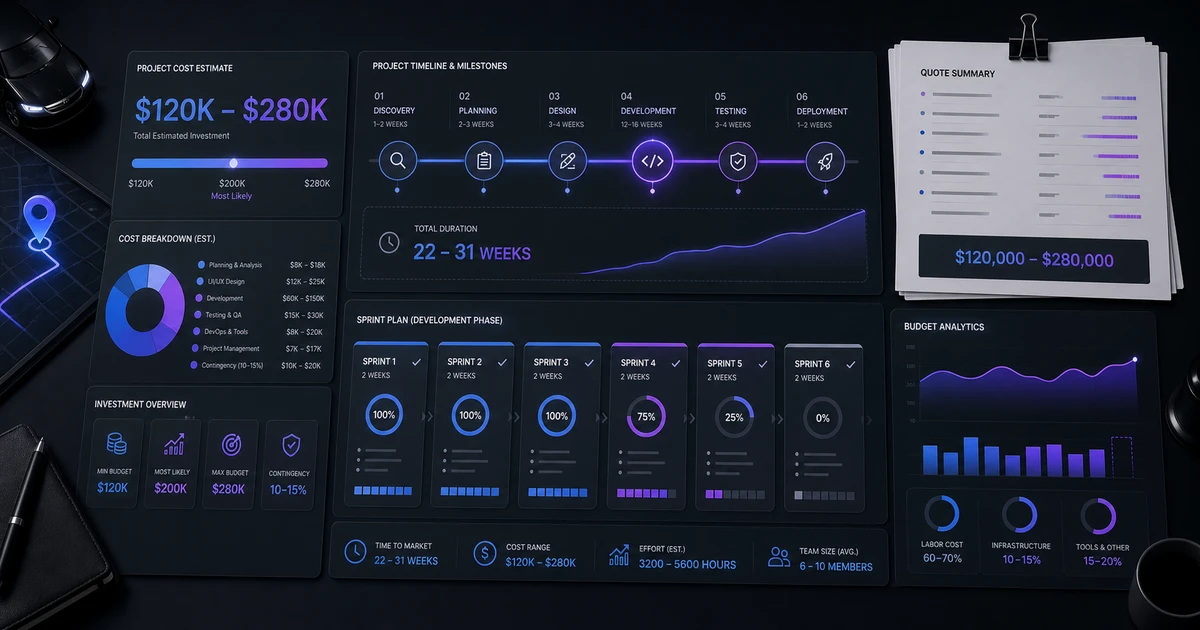
Budget depends on how many roles, cities, payment rules, and dispatch states you need. A focused MVP is usually far cheaper than a multi-city platform once compliance, admin controls, and support workflows are included.
| Scope | Estimated cost | Timeline |
|---|---|---|
| Prototype and UX | $4,000-$12,000 | 3-5 weeks |
| Uber-like MVP | $18,000-$40,000 | 10-16 weeks |
| Full ride-hailing platform | $40,000-$90,000+ | 4-9 months |
Why Teams Choose Dev Entity
Dev Entity can help you move from idea to launch-ready product with planning, design, engineering, QA, and post-launch support in one team.
If you want a partner that can scope the MVP, estimate risk, and ship the product, Dev Entity is the natural starting point.

Ready to plan How to Build an App Like Uber?
Dev Entity can help you plan an original Uber-like app that is realistic for your first market.
Talk to Dev EntityFrequently Asked Questions
How long does how to build an app like uber take?
A focused MVP usually takes 6 to 14 weeks. A larger multi-role platform with advanced integrations, analytics, and automation can take several months.
How much does how to build an app like Uber cost?
Cost depends on app modules, user roles, design complexity, backend logic, third-party integrations, admin features, QA, and post-launch support. A discovery call gives the most reliable estimate.
Can Dev Entity build both mobile apps and web dashboards?
Yes. Dev Entity can build customer apps, provider or driver apps, admin dashboards, backend APIs, databases, and supporting web portals.
Can AI automation be added later?
Yes. AI features can be added after launch when useful data is available. Common options include support automation, dispatch suggestions, forecasting, summaries, and workflow alerts.
What is the best way to start?
Start with a clear MVP that solves the core buyer problem first. After launch, use real usage data to decide which advanced features are worth building.
Conclusion
how to build an app like Uber works best when the product is planned around real buyer needs, operational workflows, and a focused first release. Dev Entity can help you define the MVP, choose the right stack, build clean software, and improve it after launch.
Request a Free Quote